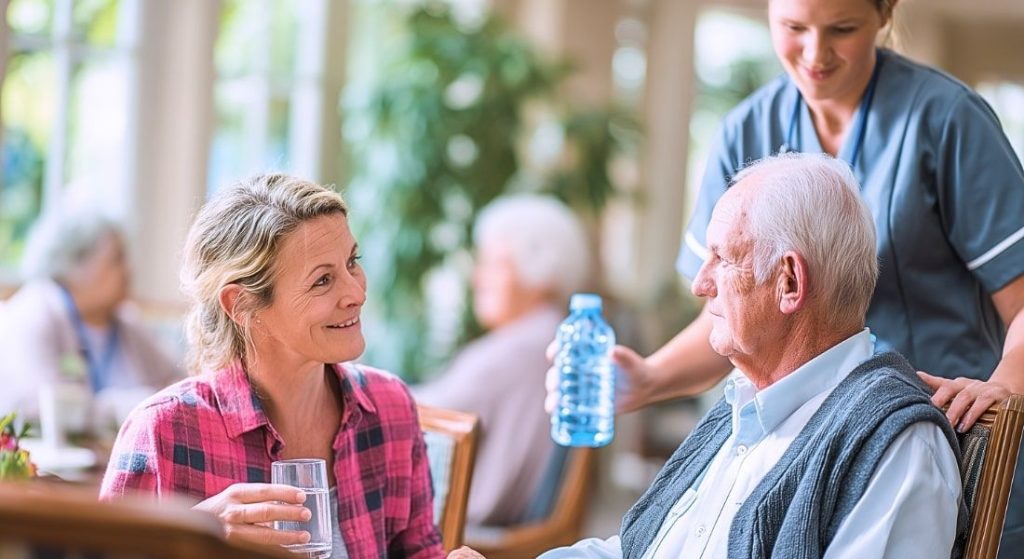

Senior communities encourage social engagement and purpose through daily activities, thoughtful programs, and meaningful relationship-building. That ensures residents feel stable, happy, and like they belong to a supportive community.
That is why social wellness is just as essential as physical care. Emotional well-being affects confidence, thinking skills, and overall quality of life.
You also want a place where your parents feel included. Making connections helps residents develop friendships, and having a purpose keeps them engaged. Together, these elements support a healthier and more fulfilling life.
Loneliness impacts older people in ways many do not realize. The CDC reports loneliness increases the chance of dying by 29 percent. Social isolation raises the risk of dementia by 50 percent. Having a sense of purpose helps reduce these risks.
Seniors who feel needed are usually more resilient and satisfied with life. Communities that support social wellness create environments that encourage these positive outcomes. You can see this in their design, programs, and culture.
This post will help you understand how these factors create a stronger path forward.
Why Connection and Purpose Matter for Healthy Aging
Connection supports emotional stability and daily motivation. It lowers stress and promotes positive routines. Research shows that strong social ties improve thinking and mood. A 2024 study found that seniors with a strong sense of purpose are more resilient and confident in daily tasks. That’s why senior communities work hard to help residents maintain a sense of purpose and connection.
How Communities Build Social Engagement Into Daily Life
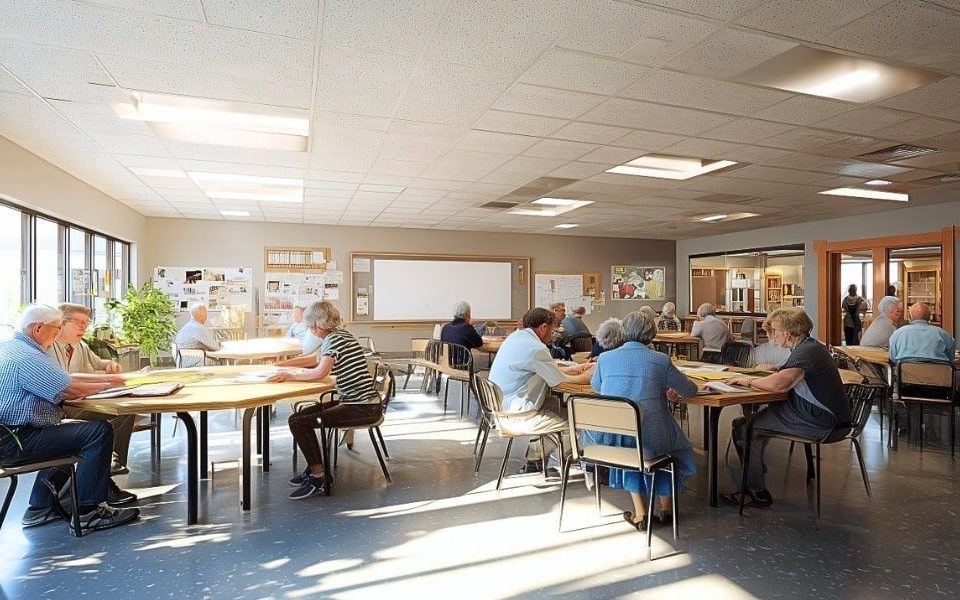
Communities design every space and schedule around connection. Shared dining rooms make conversation natural. Common areas encourage interaction. Small group programs help new residents feel comfortable. Activity calendars highlight options that suit different interests. You see book clubs, art classes, and fitness sessions. These choices help your loved one participate at a pace that feels right.
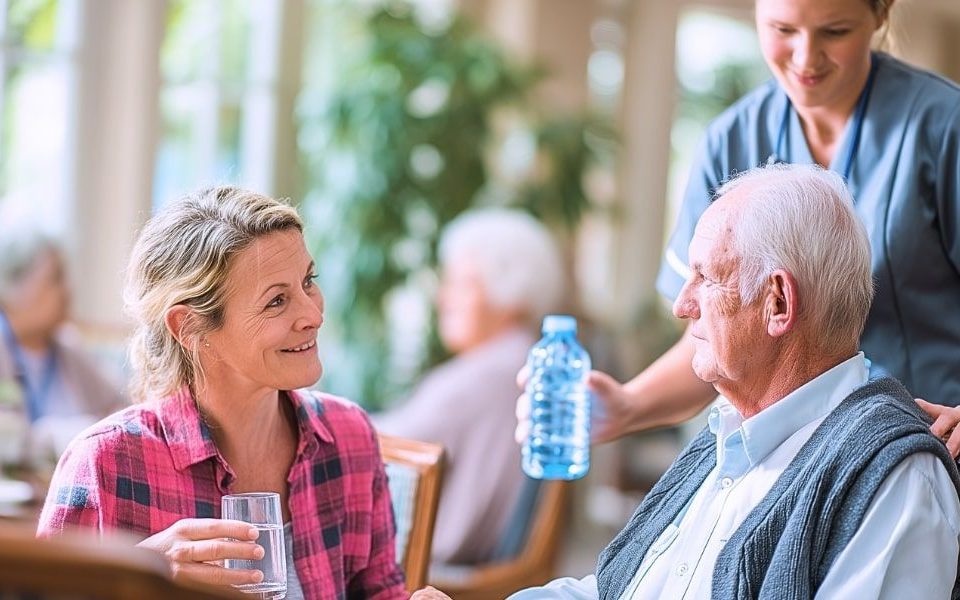
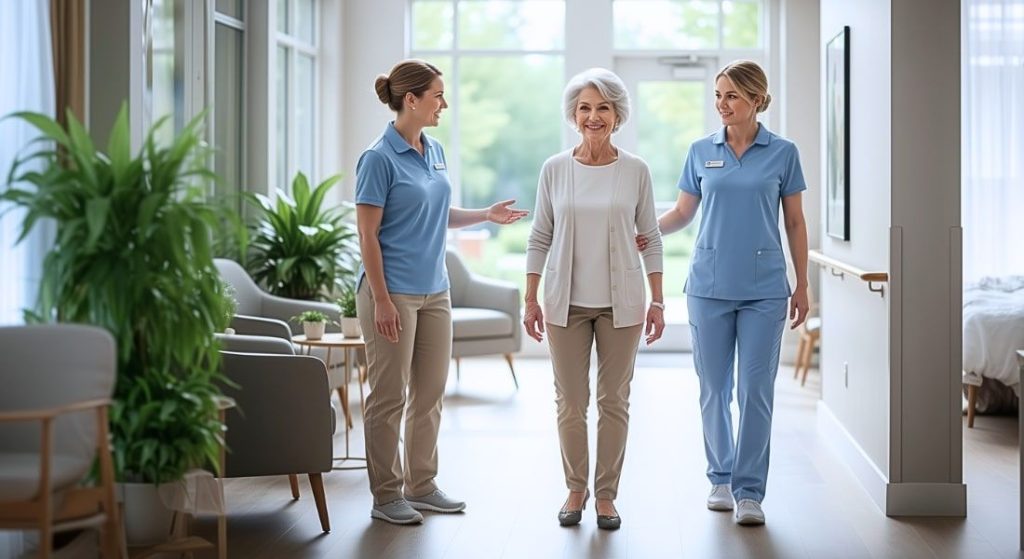
Staff members play a key role. Teams learn each resident’s preferences. They help match seniors with groups they might enjoy. This support helps reduce hesitation. It also builds confidence in new residents who need gentle guidance during transitions.
Programs That Strengthen Social Bonds
Interest-Based Groups
These include garden clubs, music groups, walking clubs, and craft circles. Shared hobbies create natural conversation.
Intergenerational Programs
Communities partner with schools and youth groups. These visits bring energy and help seniors feel valued.
Wellness and Fitness Classes
Movement supports confidence and strength. Group exercise encourages consistency.
Learning and Skill-Building Workshops
Art classes, cooking lessons, and technology sessions stimulate the mind and spark creativity.
Community Events and Celebrations
Seasonal gatherings, holiday meals, and themed activities give residents predictable points of connection.
How Communities Create Purpose for Residents
Resident Leadership Roles
A resident council allows seniors to give feedback and shape community life. Welcome committees help support newcomers.
Volunteer and Service Projects
Communities organize donation drives and local partnerships. Residents enjoy helping others and staying involved.
Legacy and Storytelling Activities
Memory books, storytelling sessions, and family interviews help residents reflect on meaningful experiences.
Spiritual or Reflective Support
Many residents find purpose through faith-based groups or reflective journaling. These activities support emotional well-being.
How Technology Supports Connection and Purpose
Technology expands opportunities for residents. Video calls keep families close. Online classes provide enrichment. Digital photo boards spark conversation. Cognitive games offer stimulation.
Staff members support residents as they use these tools. This guidance helps everyone stay connected and confident.
FAQs About How Senior Communities Encourage Social Connection
How quickly do seniors feel connected after moving in?
Most residents feel early improvements within weeks due to structured engagement.
Are activities optional or required?
Activities are optional. Staff members encourage participation at a comfortable pace.
Can shy or introverted seniors thrive in community living?
Yes. Small groups and personalized programs support connection at their own pace.
Do residents with mobility challenges participate easily?
Communities adapt activities so all residents can join with comfort.
How can families support purpose at home or in a community?
You can visit regularly, share hobbies, and attend events with your parents.
Connection and Care at Mountainside Senior Living
If you want your parents to feel connected, supported, and truly seen, MountainSide Senior Living can guide you forward. Our community offers daily opportunities for engagement, purpose, and meaningful relationships.
Reach out to our team or schedule a visit to learn how we can support your family’s next step.